Where Does Toilet Waste Go On Cruise Ships
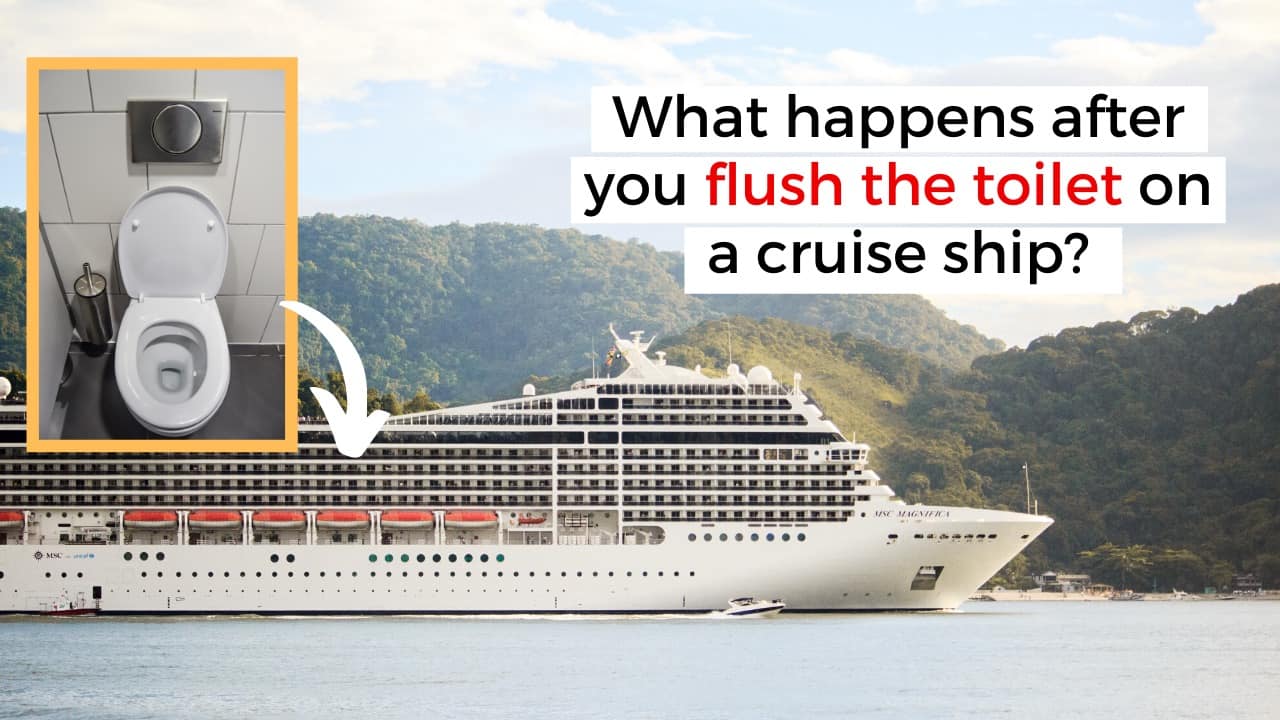
Video What Happens After You Flush The Toilet On A Cruise Ship

Cruise Ship Toilets What Happens When You Flush Step By Step Guide Emma Cruises

Where Does The Poop Go The Hidden Machines Of Cruise Ships

What Happens After You Flush On A Cruise Ship Youtube
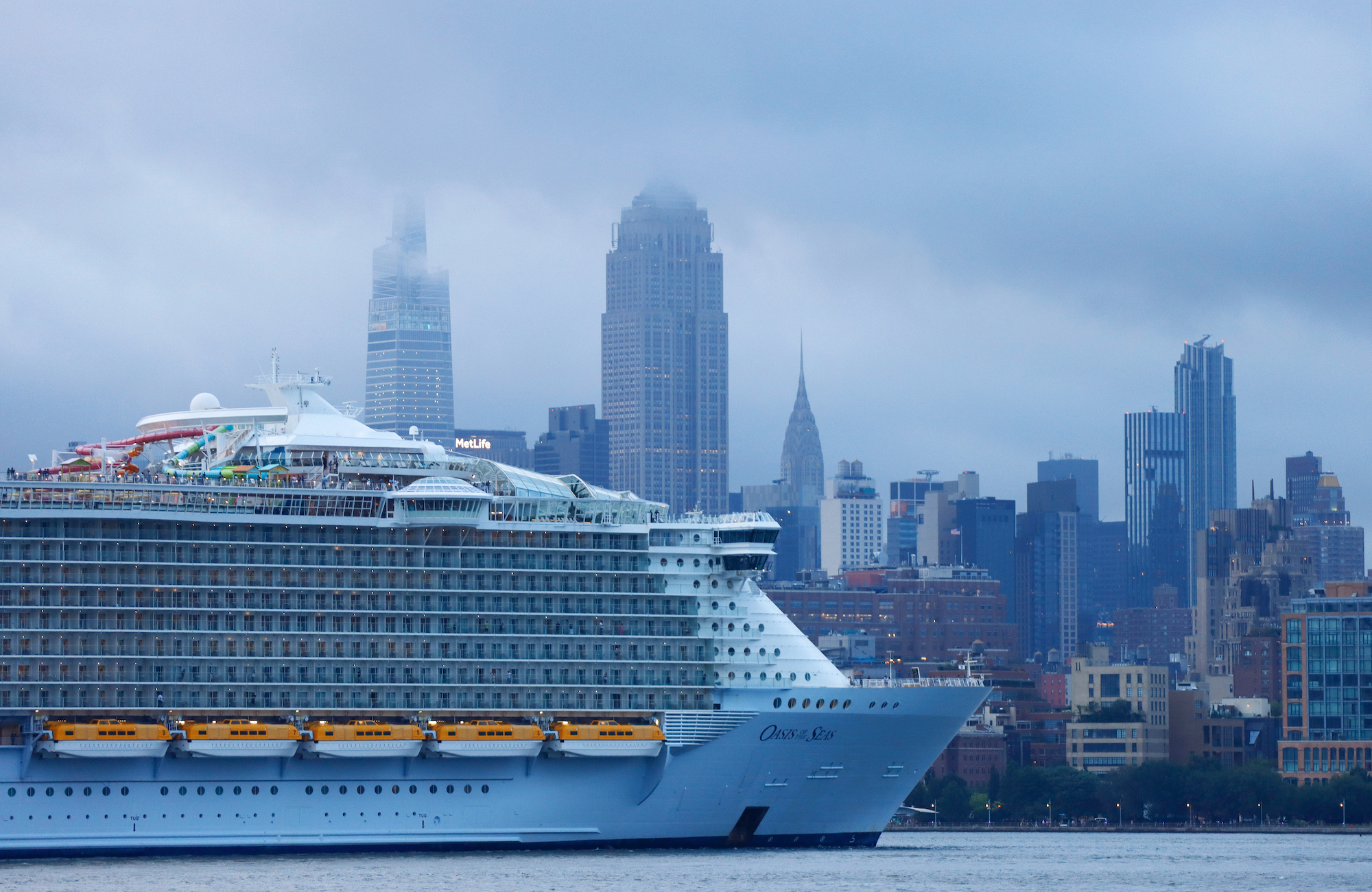
Cruise Ships Are Legally Allowed To Dump Billions Of Gallons Of Raw Sewage In The Ocean
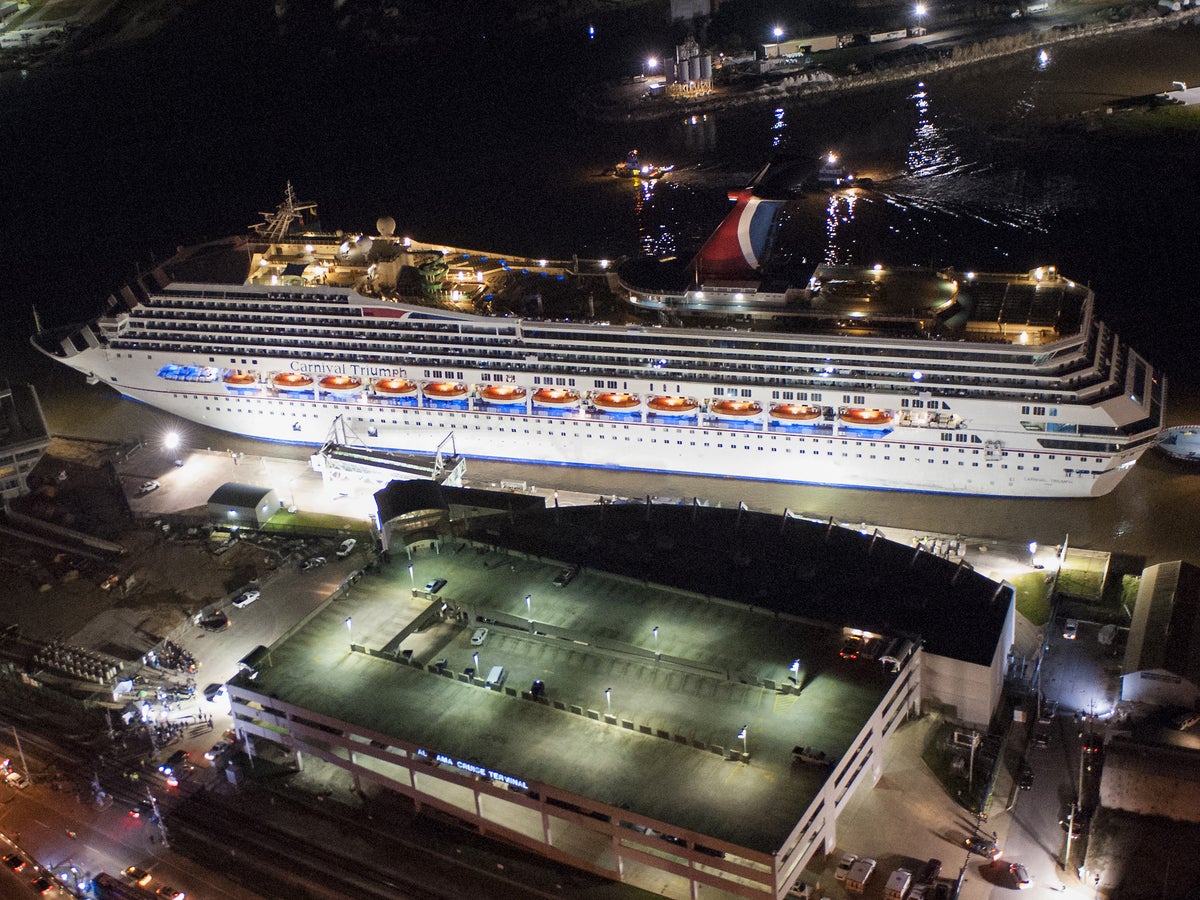
Stranded Cruise Ship On Which Sewage Ran Down The Walls And Savages Fought Over Food Finally Docks Amid Jubilant Scenes The Independent The Independent

Next the mix of water is sent to bioreactors deep in the bowels of the ship.
Where does toilet waste go on cruise ships. Black water is the water filled with sewage that leaves the toilet. It wasnt so long ago that sewage was thrown overboard via storm valves attached to the sides of the ship. Cruise ships produce and dump at sea over 250000 gallons of gray water and 30000 gallons of black water per day according to the advocacy group Oceana.
But these days cruise ships must follow very strict international maritime laws. In 2018 Royal. Its the discharges from the floating cities they call cruise ships.
FOE also cites data from the Environmental Protection Agency EPA which shows an average cruise ship with 3000 passengers and crew produces about 21000 gallons of sewage a day enough to fill 10 backyard swimming pools in. There are separate teams to deal with each incoming recyclable. The discharge of sewage into the sea is prohibited except when the ship has in operation an approved sewage treatment plant or when the ship is discharging comminuted and disinfected sewage using an approved system at a distance of more than three nautical miles from the nearest land.
It is then sterilized using UV light and released into the ocean when clean enough to do so. Some new ships sailing in environmentally sensitive regions such as the Arctic and Antarctica have a single stream Advanced Wastewater Treatment system where. A common misconception is that once a ship is out in the open ocean they dump human waste into the water.
The ships waste incineration room is manned twenty four hours a day by crew members who differentiate glass based on its color. Green brown and white. Employees are taught to seperate garbage into 4 color-coded categories.
Anything which is discharged into the sea goes through rigorous treatment first. Apparently at that stage the water is cleaner than when it was originally collected for desalination. In the waste-recycling plant a 50-cubic-foot glass crusher gnashes bottles into pea-size pellets hydraulics squeeze cardboard and aluminum into.

Cruise Ships Are Legally Allowed To Dump Billions Of Gallons Of Raw Sewage In The Ocean

Norwegian Getaway Cruise Travel Cruise Pictures Best Cruise
How Cruise Ships Work Part 2 Laundry Housekeeping And Kitchens

What Happens When You Flush The Loo On A Cruise Ship Telegraph Travel

Mariner Of The Seas 4 Night Bahamas Cruise Compass July 23 2018 Royal Carribean Cruise Carribean Cruise Bahamas Cruise
The 15 Coolest Places To Drink On A Cruise Ship Cruise Ship Cruise Drinks
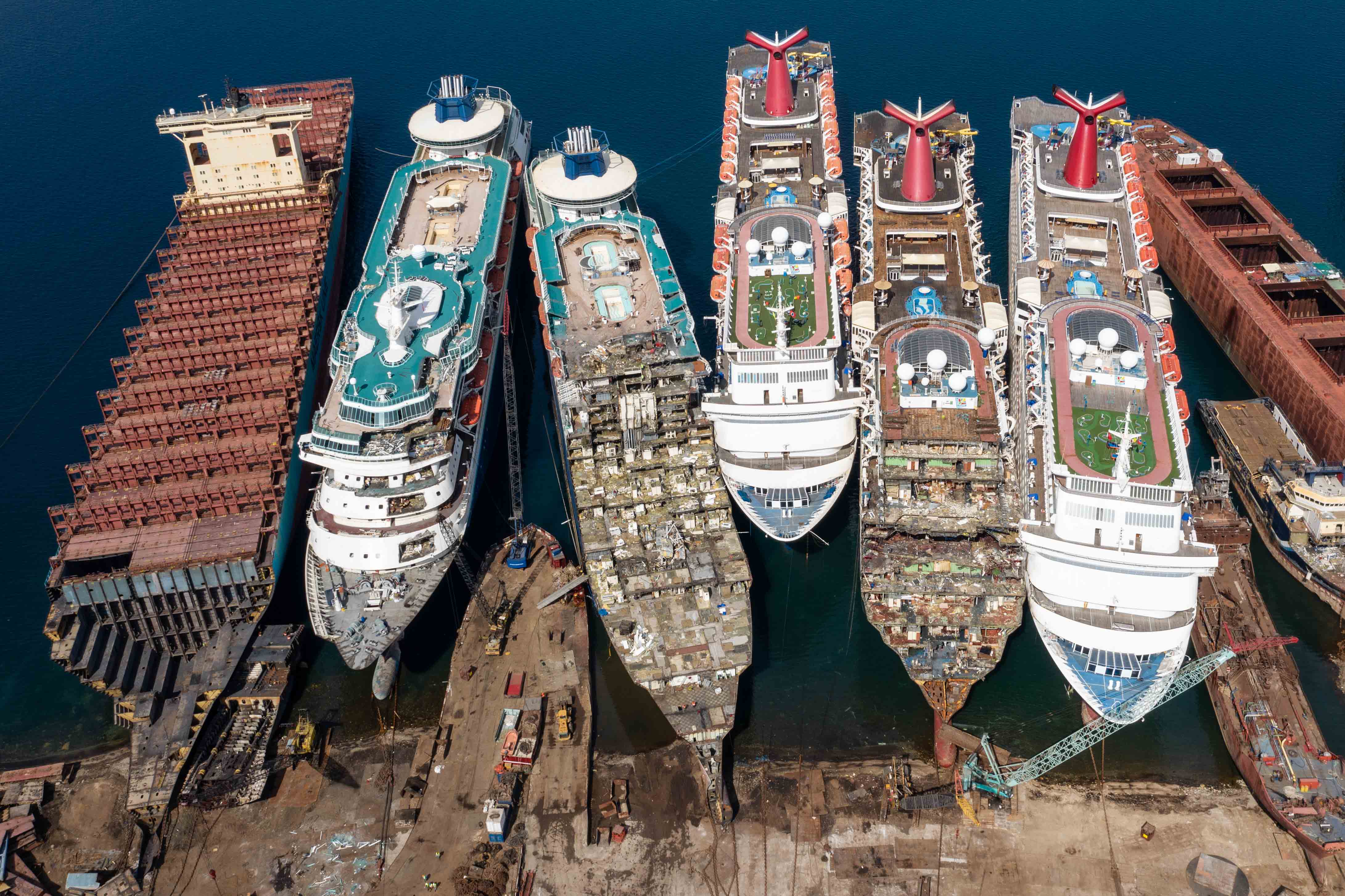
The Messy Booming Business Of Recycling Cruise Ships In Turkey Bloomberg
/cdn.vox-cdn.com/uploads/chorus_image/image/66372645/GettyImages_1202944947.0.jpg)
The Coronavirus Cruise Ship Quarantines Confirm Cruises Are Bad Vox

The Case Against Cruising How Your Cruise Holiday Is Destroying The Planet
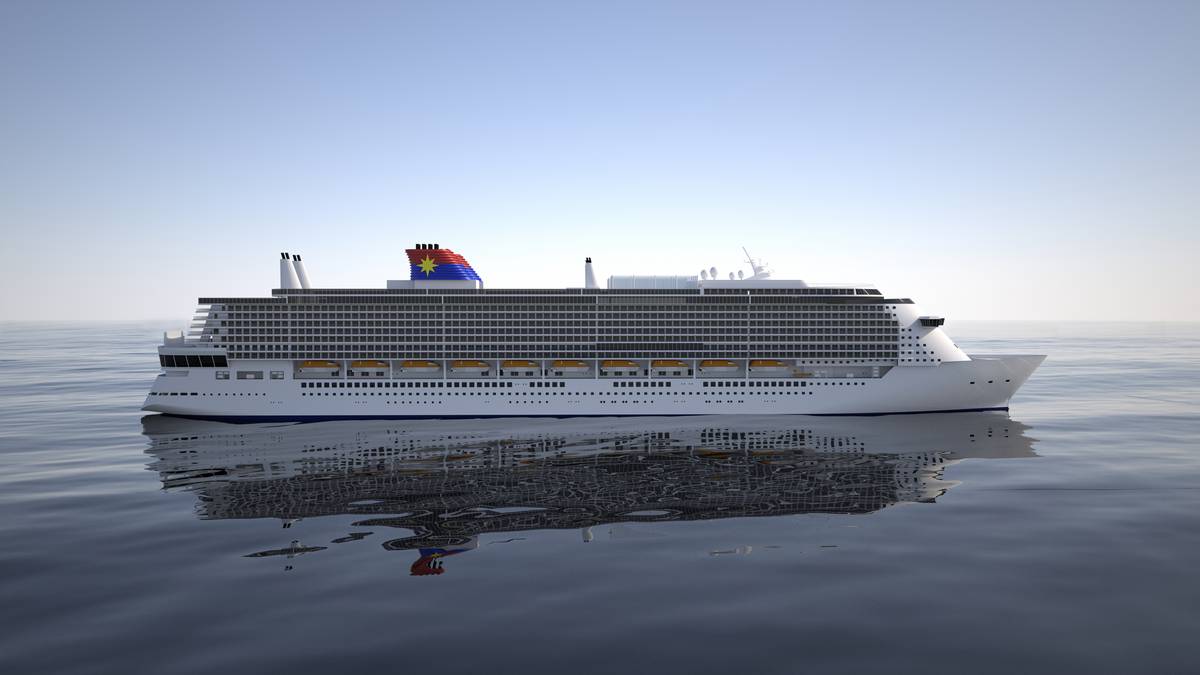
Genting Deal Largest In Evac History

Pin By Co Operative Travel On Cruises Outdoor Pool Outdoor Cruise

Pershing 50 Motor Boat Rental With Web S Favorite Charter Boat Rental Boat Motor Yacht
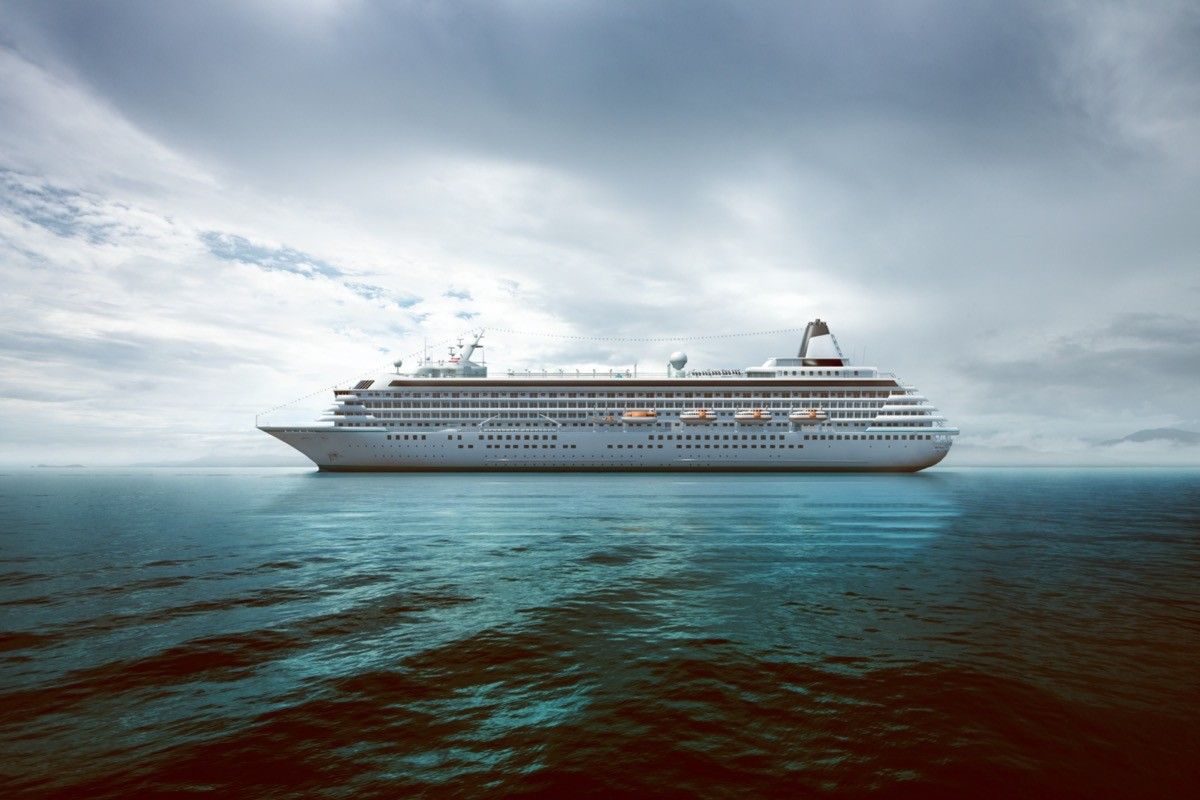
17 Horrifying Cruise Ship Myths That Are 100 Percent True Best Life

Bathroom Boxed In Pipes Google Search Small Toilet Room Bathroom Inspiration Bungalow Bathroom

