Cruise Ship Engine Oil Capacity
Wartsila Controllable Pitch Propeller Systems Wcp Or Cpp

Diesel Electric Propulsion Man Energy Solutions
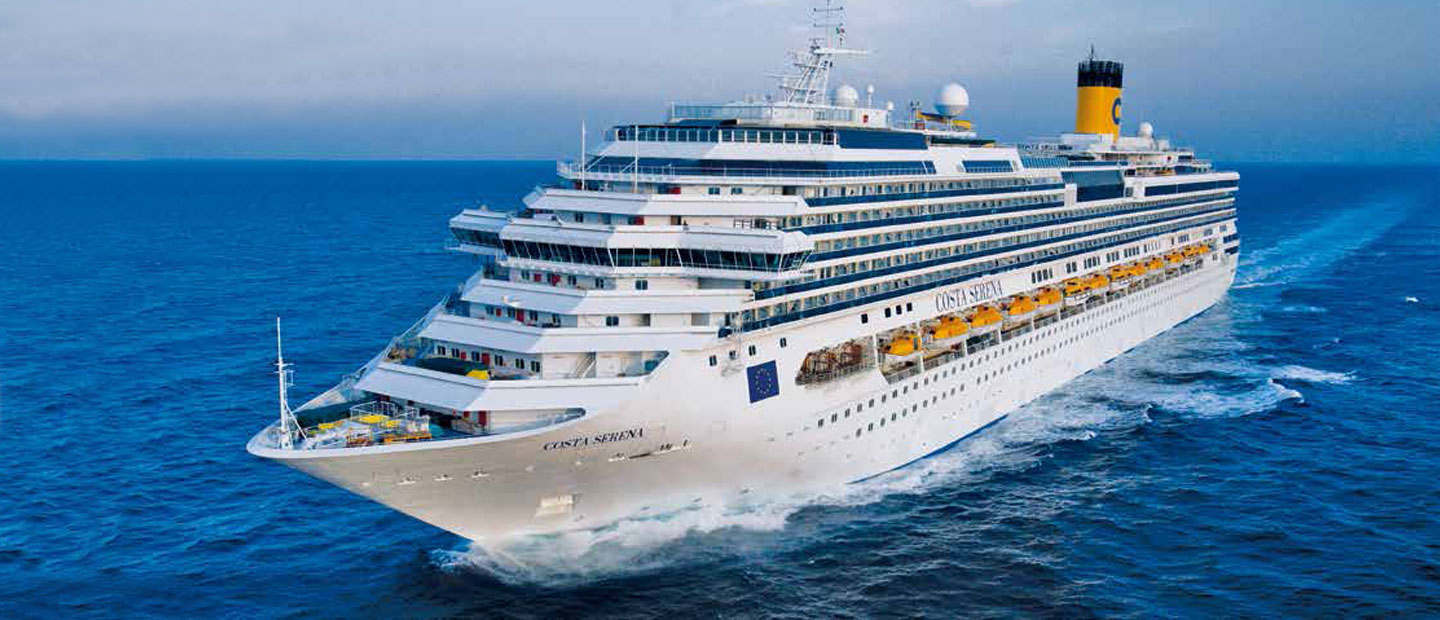
Fincantieri Costa Serena
Pollution And Damage From Floating Cities Are Creating Conflict Campaigning For Cleaner Transport In Europe Transport Environment

Ventilation In Cruise Ships Systemair

Products Pertamina Lubricants

Smaller vessels like a 440-foot-long ferry might carry around 130000 gallons of fuel while a gigantic ship measuring over 1300 feet in length can tote over 4 million gallons.
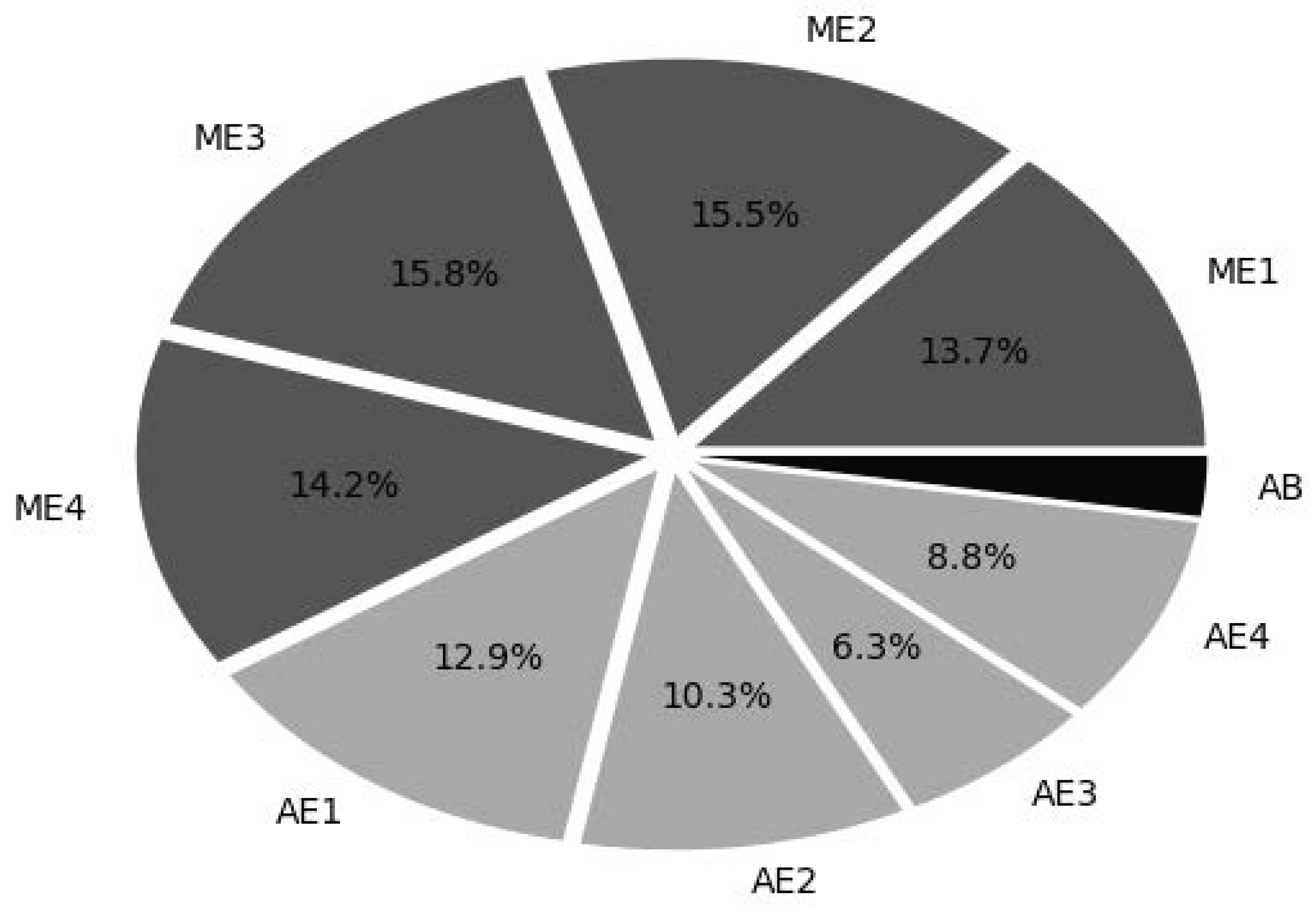
Cruise ship engine oil capacity. These are the highest capacity tanks on ship. The vessel has a bunker capacity of 2650m³ of heavy oil and 600m³ of diesel oil which gives it a range of 18 days at 195 knots. The ships 4 main engines are dual-fuel heavy oil and LNG gas oil thus reducing fuel consumption.
On average a large cruise ship can use up to 250 tons of fuel per day which is around 80000 gallons. The installation of additional smaller vertical tanks for fuel oil and seawater might be considered. If the ambitious plan is to succeed a change of thinking will be required.
Each engine has eight cylinders with an 800 mm bore. The ship has an advanced filtering system that reduces stack emissions greenhouse gases. For roll stabilisation there is a pair of active retractable fin stabilisers.
The Queen Mary 2 for example is 1132 feet long and can carry up to 56655 bbls of fuel oil. Auxiliary engines plant Three sets of main diesel generators diesel engines of 870 kW at 900 rpm generators of 880 kVA 3 x 450 V 60 Hz. A large cruise ship ranging in length from 900 to 1100 feet might hold 1 to 2 million gallons of fuel.
152 million gallons Container ship Benjamin Franklin 1310 feet. ABC engines your partner at sea For more than 100 years ABC has been supplying power solutions to all those who know that the engine is the heart of their vessels. ABC engines stand for reliability and good performance under the hardest and most demanding condi- tions while still offering low fuel and lube oil consumption.
On average a large cruise ship can use up to 250 tons of fuel per day which is around 80000 gallons. A high-level study showed that with 1500m3 of LNG approximately 70-80 of all existing cruise itineraries can be operated. Maintaining Future Engine Power.
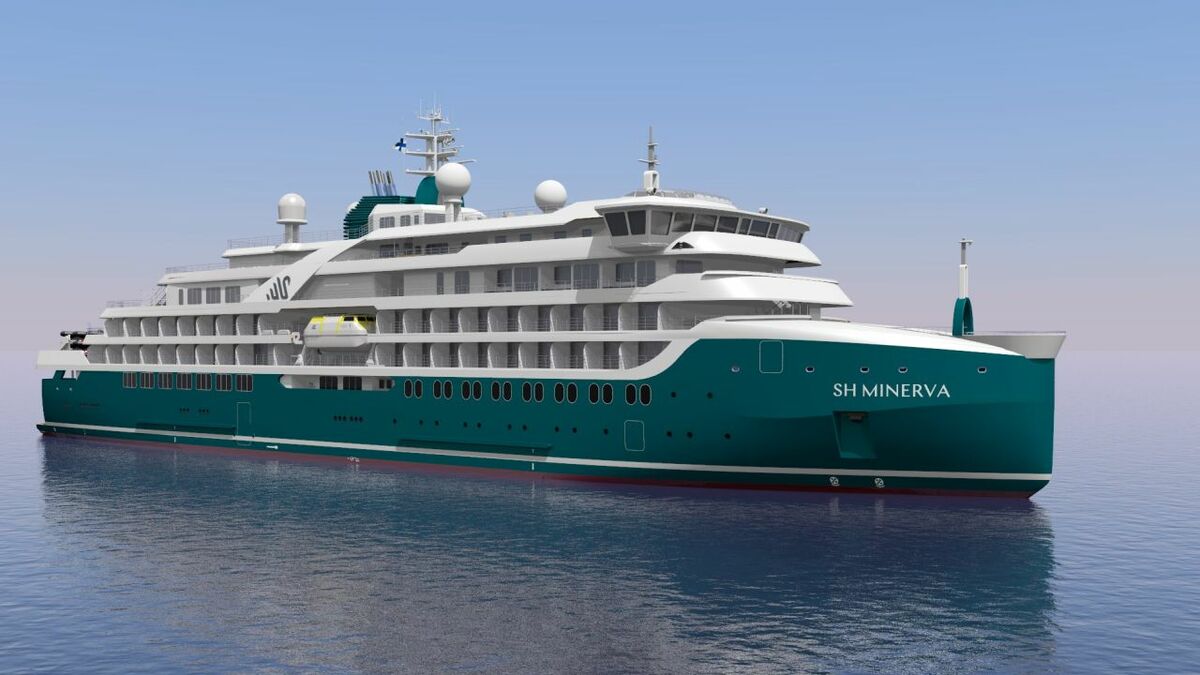
Riviera News Content Hub Coronavirus Devastates Cruise Shipbuilding No New Contracts For Five Years

Shipbuilding Industry Issue 5 2020 By Yellow Finch Publishers Issuu
Marine Abb
Energies Free Full Text Energy And Exergy Analysis Of A Cruise Ship Html

Hvac For Cruise Ships Heinen Hopman
Fincantieri Viking Jupiter

Covid 19 Impacts On Global Cruise Industry Kpmg Global

Hydrogen On The High Seas Welcome Aboard Abb
Fincantieri Ventura
Fincantieri Viking Venus
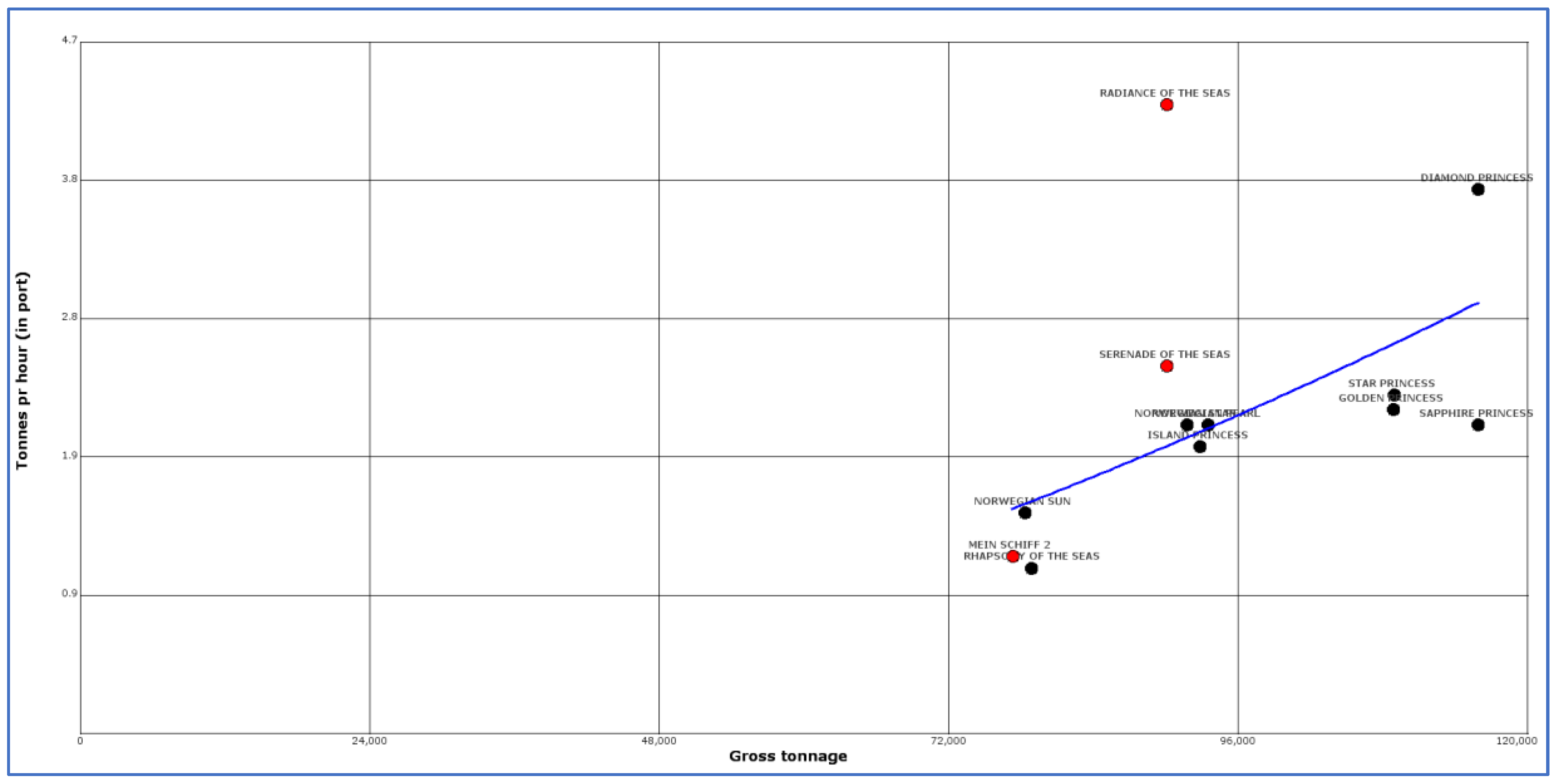
Energies Free Full Text Model For Estimation Of Fuel Consumption Of Cruise Ships Html
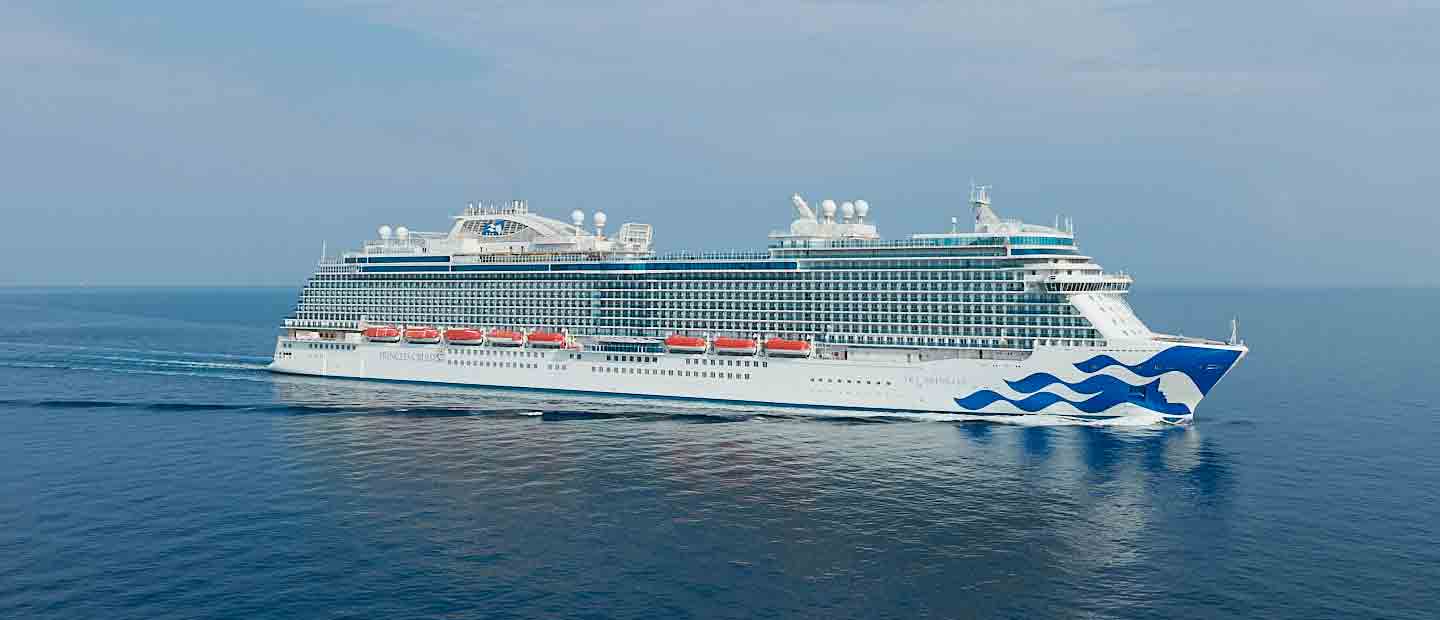
Fincantieri Sky Princess
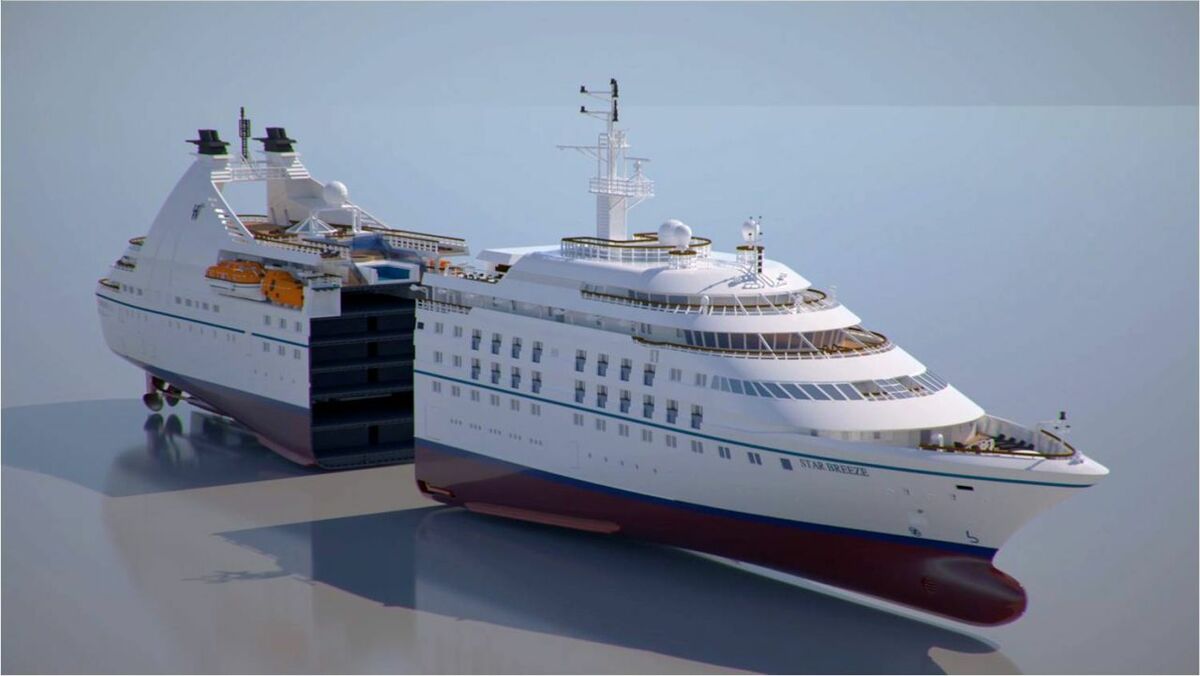
Riviera News Content Hub Windstar Cruises To Carry Out Complex Cruise Ship Stretch
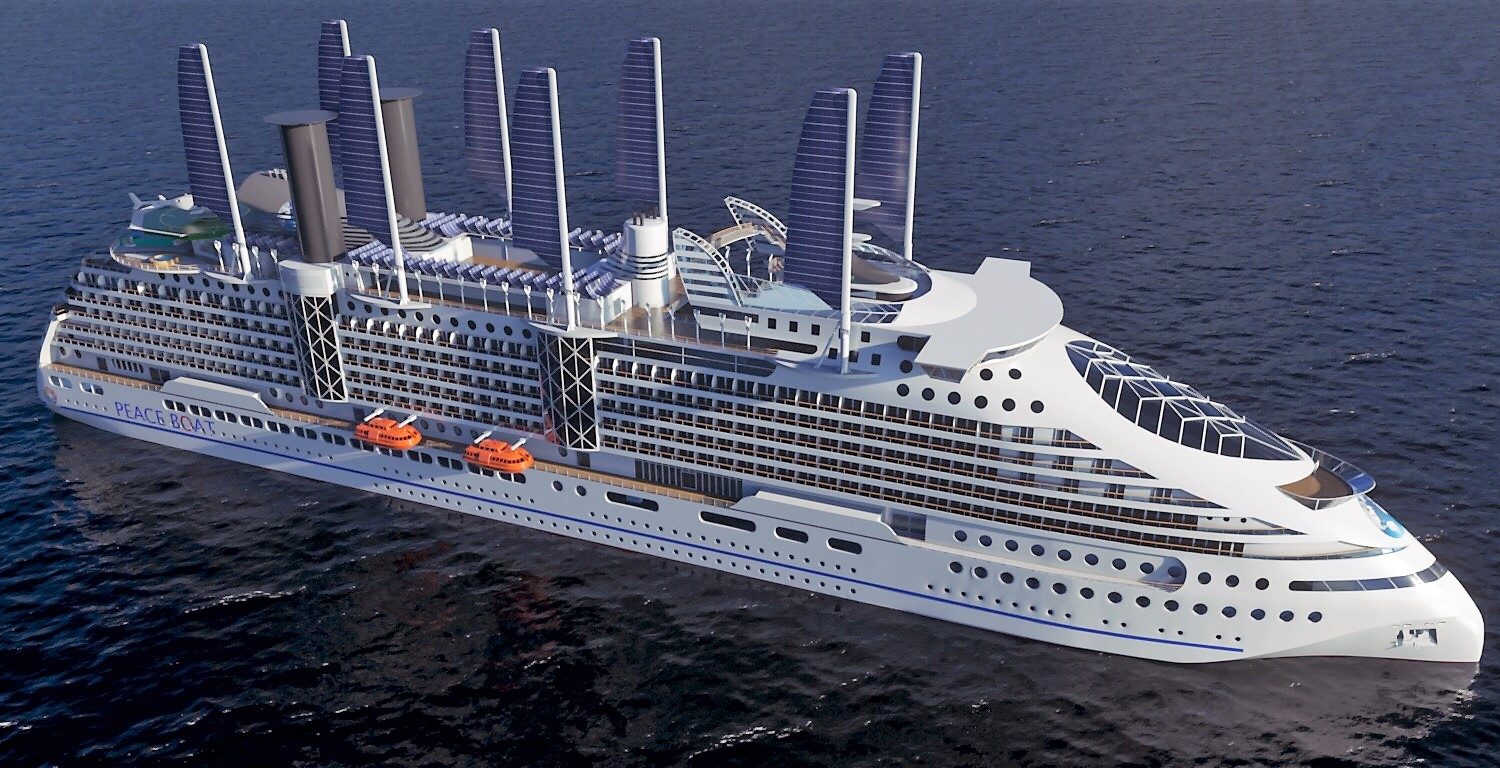
World S Most Eco Friendly Cruise Ship Designed In Spain Safety4sea

